Choosing Tyres for Malaysia’s Climate
When selecting performance tyres for your car, prioritising features that counter Malaysia’s specific climate and road conditions is the practical approach. Thanks to advanced technologies, you don't have to compromise.
Mastering the wet season
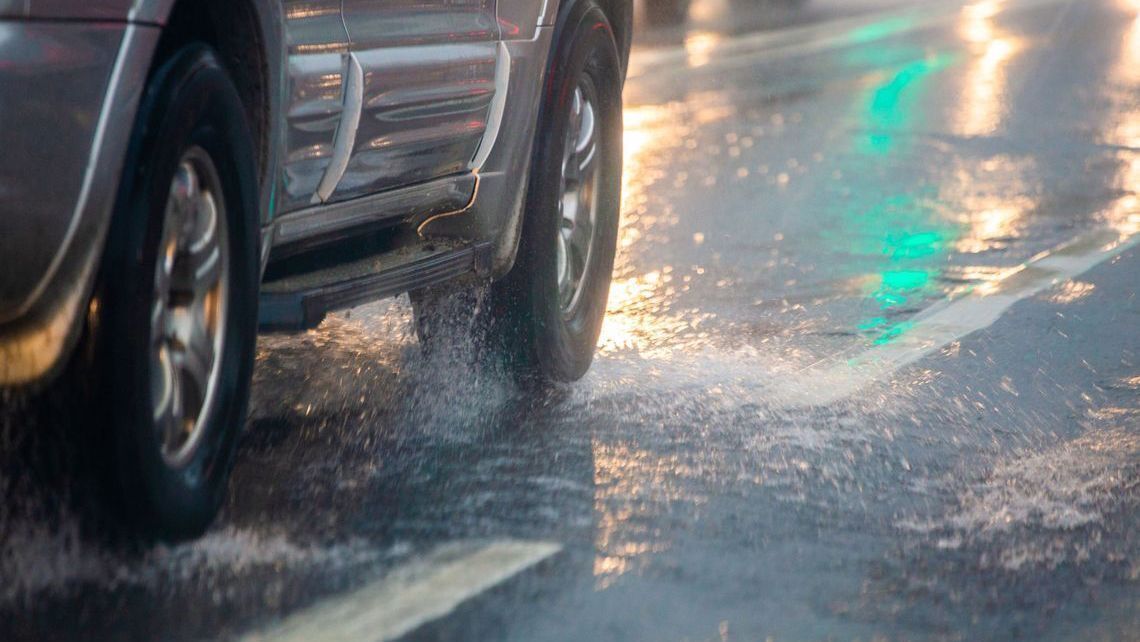
Sudden, heavy downpours in Malaysia mean that excellent wet grip is non-negotiable. Look for tyres with advanced tread designs, like asymmetric patterns, where the inner half is dedicated to dispersing water. Technologies such as high-silica rubber compounds also help the tyre grip the road effectively in the rain, significantly reducing braking distances and the risk of aquaplaning.
Beating the heat
High heat can cause tyre compounds to soften and wear out faster. That's why choosing tyres with specialised heat-resistant rubber compounds is essential. Additionally, look for tyres with reinforced construction, such as a hybrid aramid and nylon belt. This reinforcement technology helps the tyre maintain its shape and stability under the stress of high-speed driving in hot weather, ensuring consistent and safe performance.
Matching the Tyre to Your Driving Style
The right performance tyre for you also depends on your daily routine.
For the daily driver: If your car is primarily for commuting, a balance of performance, comfort, and longevity is recommended. The MICHELIN Pilot Sport 4 SUV, for example, offers versatile performance, providing the safety benefits of a performance tyre, like shorter braking distances, with a focus on a smooth, comfortable ride.
For spirited weekend drives: If you enjoy more dynamic driving on winding roads, a tyre with a softer compound and more aggressive tread design will deliver maximum cornering grip. Ultra-high performance tyres (UHP tyres) like MICHELIN Pilot Sport 5 are engineered for this, offering precision handling that truly enhances the driving experience.


Dealer Locator
Search among our dealers to find where your tire is available
Are Performance Tyres Good for Daily Driving?
Performance tyres can be a suitable choice for daily driving, especially if you value a more connected and responsive driving experience. They enhance safety with superior grip for shorter braking distances in wet and dry conditions and provide sharper, more precise handling that can make even a routine commute more responsive.
To achieve this high level of grip and responsiveness, performance tyres typically use softer rubber compounds. This means the tread may wear more quickly than normal tyres. Similarly, the stiffer sidewalls that provide such precise cornering can translate to a firmer ride, allowing you to feel more connected to the road surface. For drivers who see their car as more than just a way to get from A to B, these characteristics are often a welcome part of the performance-oriented driving experience.
Decoding tyre labels and sidewall markings
When you're comparing performance tyres, the technical details on the sidewall and official labels can provide detailed information about their capabilities. Instead of just general descriptions, these ratings give you specific data to help you match a tyre to your car and driving needs. Here’s what to look for:
Speed rating
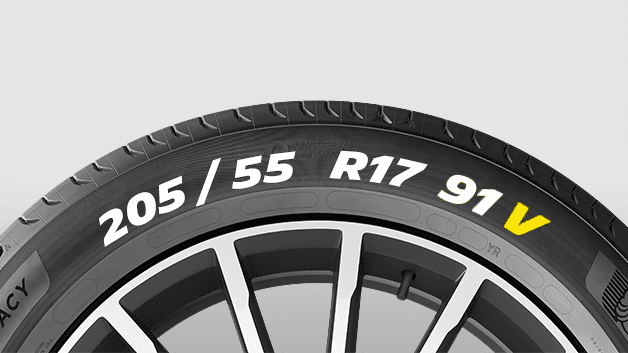
This is represented by a letter and indicates the maximum speed the tyre can safely sustain. For performance cars, you’ll typically see ratings like 'V' (up to 240 km/h), 'W' (up to 270 km/h), or 'Y' (up to 300 km/h). It's important to choose a tyre with a speed rating that matches or exceeds your vehicle's top speed to ensure stability and safety.
Load index
Right before the speed rating, you'll see a number, such as '91' or '95'. This is the load index, which specifies the maximum weight each tyre can carry. It's essential to match this to your manufacturer's recommendation to handle your car's weight safely, especially during high-speed manoeuvres.
UTQG ratings
In addition to the main label, look for the Uniform Tyre Quality Grade (UTQG) stamped on the sidewall. This gives you three key performance indicators:
Treadwear: This number gives you a comparative idea of a tyre's lifespan. A lower number (e.g., 220) often indicates a softer, grippier compound that will wear faster, while a higher number (e.g., 400) suggests a more durable, longer-lasting compound.
Traction: This is graded AA, A, B, or C. The grade represents the tyre's ability to stop on wet pavement. For the rainy conditions in Malaysia, a tyre with an 'AA' or 'A' rating is highly recommended for the optimal wet grip.
Temperature: This is also graded A, B, or C. It indicates the tyre's resistance to heat generated at high speed. In a hot climate like Malaysia's, an 'A' rating is important, as it means the tyre dissipates heat effectively at high speeds, reducing the risk of tyre failure.
Find the Right MICHELIN High Performance Tyres
For a responsive driving experience without compromising safety, we recommend the MICHELIN Pilot Sport series. These tyres, including advanced models like the MICHELIN Pilot Sport 4 S and the track-ready MICHELIN Pilot Sport Cup 2 with its multi-compound technology, are packed with innovations born from motorsports.
Selecting the right tyres depends on understanding your car, your driving habits, and the unique Malaysian conditions. For expert advice and professional installation, we recommend visiting your nearest authorised Michelin dealer.
Related articles
-

Driving Forward: How Micheiln's Tyre Innovation Keeps You Safer on Malaysian Roads
From sudden downpours on the Federal Highway to the winding hills of Cameron Highlands, Malaysian drivers face diverse driving conditions. Your tyres must handle torrential rain and intense tropical heat. At Michelin, our tyre innovation isn't just about the future; it's about solving these real-world, everyday challenges.Learn more -
Essential Monsoon Driving Safety Tips
In Malaysia, the monsoon season is characterised by thunderstorms, downpours, and high humidity that last from November to March, and May through September. During these long periods of heavy rain, daily activities like commuting and travelling can be challenging when visibility drops.Learn more -
How to Handle a Tyre Blowout
A tyre blowout can happen to anyone, at any time, despite being rare nowadays thanks to modern tyre technology. It can be extremely dangerous and scary to beginner and experienced drivers alike. Understanding how to respond to this type of event can help prevent damage and even save your life.Learn more