Plan Your Route in Advance
Taking a busy road will cause your van to consume more fuel, especially during rush hour. Avoiding this can help you save a significant amount of money and time. Therefore, you should plan alternative routes according to schedule well before starting the engine. Sometimes the longer road will get you to the destination faster than the shortest one with heavy traffic.
Planning the optimal route is also recommended if you have to deal with different stops every day. If possible, combine multiple stops in the same area in one trip. Find the path that will take the shortest time. You can use real-time traffic applications to get an overview of your route with additional information such as road closures, hazards, and accidents.
Keep Your Speed Consistent
Managing your van's speed effectively is a crucial factor in fuel efficiency. The sweet spot for most vans lies between 80-96 kph, where you'll find the optimal balance between progress and fuel consumption. Exceeding these speeds can significantly increase your fuel usage. For example, driving at 100 kph can use up to 30% more fuel than cruising at 80 kph. Therefore, you should avoid driving too fast.
In urban environments, smooth speed management takes on a different dimension. Read the traffic flow ahead, time your approach to traffic lights, and use your engine momentum while approaching them. This makes it easier to maintain a slower, steady speed before stopping. This technique can significantly reduce van fuel consumption in city centres.
Aside from the existing engine momentum, you can also use some help from gravity to improve fuel efficiency. Just release the accelerator pedal while going downhill and let the gravity work for you.
If Eco mode is available, you can also use it to help you control the acceleration, particularly if you are new to van driving. This mode enables a gradual increase in engine speed, providing a smoother driving experience. However, it's important to note that this comes at the expense of overall performance.


Dealer Locator
Search among our dealers to find where your tire is available
Be Gentle with Your Brake
Gradually braking will consume less fuel than harsh and sudden brakes. Anticipate the road ahead and keep your eyes on your surroundings to be more prepared for unexpected situations and don’t need to brake suddenly.
Reduce Air Conditioner Usage
Turning up the temperature can help reduce van fuel consumption, especially when you drive slowly in traffic. If the weather is not too hot and you are moving slowly, you might turn the AC off and wind down the window for some natural air to remain cool. Ensure you wind up the window firmly before turning the AC on again to avoid letting the air out and wasting fuel.
Remove Unnecessary Items
Since lighter vehicles require less energy to move, reducing your load will directly help improve the mileage. Check for heavy equipment and boxes you don’t need in the backseat. If you rarely need the roof racks or ladder bars, just take them off.
Avoid Excessive Idling
Modern engines don't need to warm up and it’s recommended to stop the engine when you have been waiting at the loading points or stuck in a traffic jam for more than one minute.
Equip Your Van With the Right Tyres
In addition to the driving tips mentioned above, rolling resistance is a major factor that affects van fuel consumption. Michelin offers a range of tyres that are suitable for vans and provide low rolling resistance, including Agilis 3. Whether commuting or towing, this is the perfect tyre to enhance van fuel economy. Check with the dealers or tyre change services in your area to see if they have these commercial van tyres in stock.
Related articles
-

How and when to check your tyre pressure?
As tyres naturally lose some air, it is important to check your tyre pressure regularly. Without this, you risk losing grip and increasing your braking distances. You can also damage your tyres, shorten their life and increase your fuel consumption.
Let's see how to avoid these risks.Learn more -
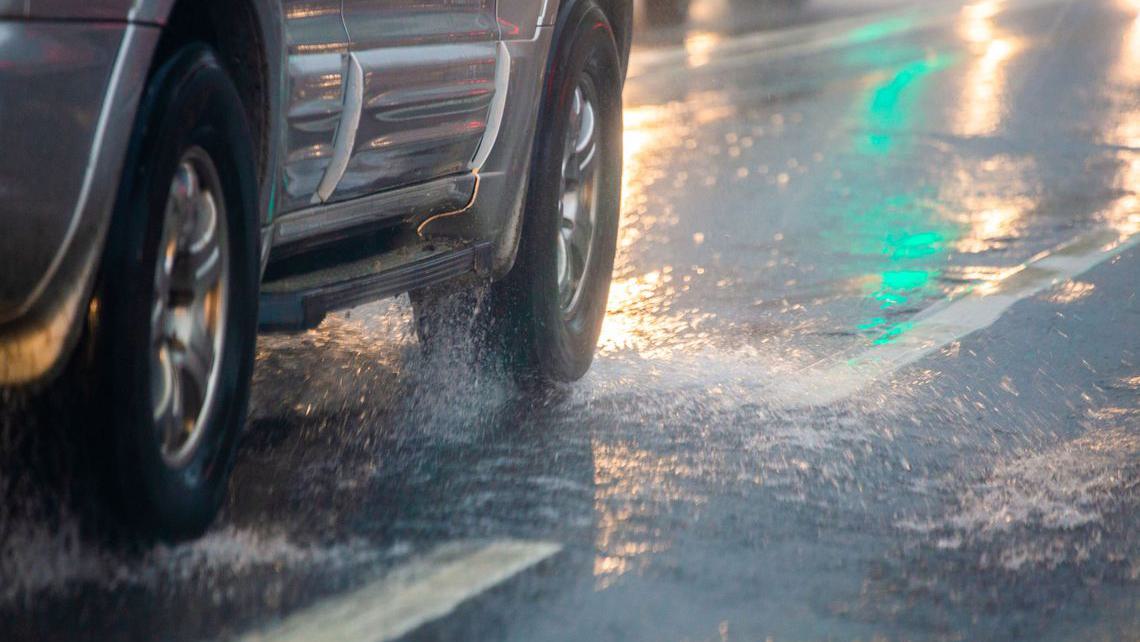
What does aquaplaning mean and how to avoid it?
Aquaplaning (also called hydroplaning) may seem a little scary, but it is only a very rare cause of accidents. In fact, even when you are driving in the rain, road conditions involving a risk of total aquaplaning only represent 0.01% of cases.
What does aquaplaning mean? In which cases is it a real risk? How to prevent it and what should you do if it occurs? You will have an answer to all these questions in this article.Learn more -

How can eco-driving help you save fuel?
These days, there is a growing interest in "eco-driving” or “green driving” techniques. Here we take a look under the hood of the eco-drive meaning, and how certain driving behaviours can not only help the environment but also save money on your fuel budget.Learn more